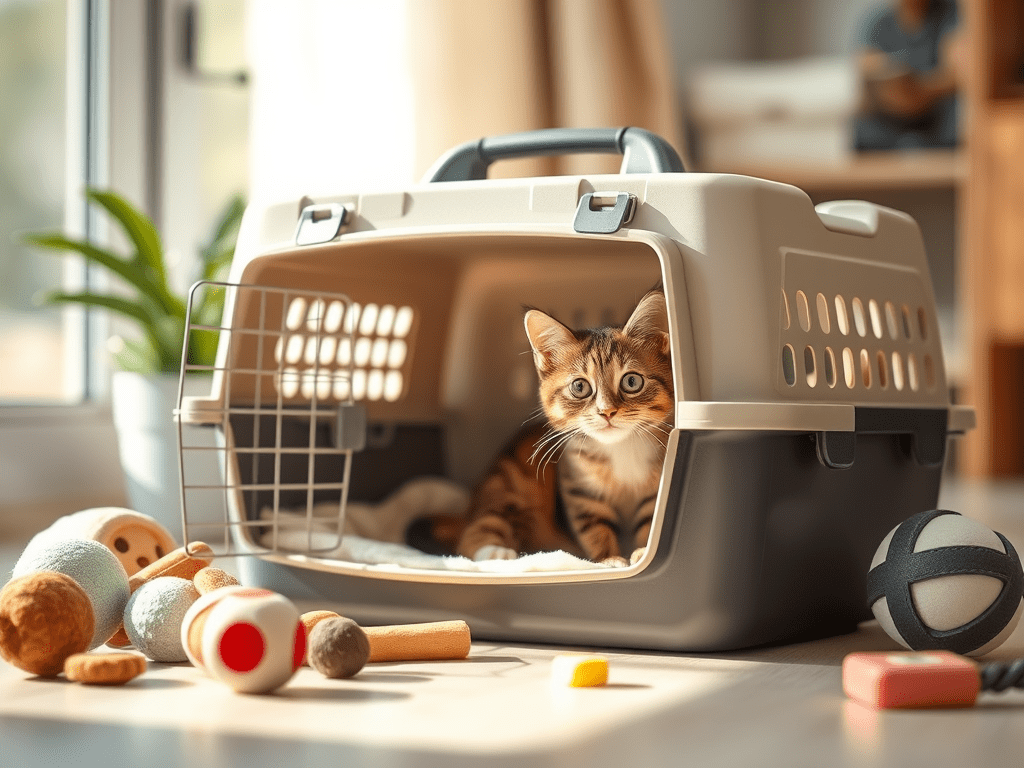
Every veterinary technician has seen it—an owner walking into the clinic, cat clutched tightly in their arms, convinced that their furry companion will stay calm for just a few minutes. But here’s the reality: even the most chill cat can turn into a flight-risk in seconds, and the consequences can be devastating.
The Dangers of Carrying a Cat Without a Carrier
A quiet waiting room can change in an instant. A barking dog, a loud noise, or even a gust of wind can send a cat into full panic mode. We’ve seen it happen—claws dig in, the cat scrambles, and suddenly, they’re gone. One of the most heartbreaking moments I’ve witnessed was an owner who brought in their 17-year-old cat without a carrier. Just as they reached the clinic door, a passing car startled the cat, and she bolted. Despite hours of searching, they never found her. It’s a risk not worth taking.
Why Cats React Unpredictably
Cats aren’t small dogs. They’re wired differently, and their fight-or-flight instinct is incredibly strong. Even a cat that seems comfortable at home can become a completely different animal in unfamiliar territory. Stress causes an increase in adrenaline, making them hyper-alert and more prone to sudden reactions. A tight grip isn’t enough—when fear kicks in, they’ll do anything to escape.
Common Excuses for Avoiding a Carrier (and Why They Don’t Hold Up)
- “My cat hates the carrier.” Yep, most do—because they only see it when they’re headed to the vet. But with a little training, it doesn’t have to be that way.
- “It’s just a short trip.” Accidents and unexpected situations can happen anywhere, even in the parking lot.
- “I’ll just hold onto them tightly.” Even the best grip can’t compete with a panicked, squirming cat equipped with sharp claws.
How to Make the Carrier a Safe Space
Instead of stuffing your cat in the carrier five minutes before a vet visit, try these tips:
- Leave the carrier out all the time – If the only time your cat sees it is before a stressful event, of course, they’ll hate it. Keep it in a common area with a cozy blanket inside.
- Make it inviting – Toss in treats, toys, or a piece of your clothing with your scent. Let them explore it on their own terms.
- Practice short trips – Take them for a drive around the block, then come home and give them a treat. This helps them associate the carrier with more than just vet visits.
Choosing the Right Carrier
Not all carriers are created equal. Hard-shell carriers with top and front openings tend to be best, as they provide stability and multiple access points. Soft-sided carriers are okay for short trips but can collapse under pressure. Avoid cardboard carriers unless it’s a one-time emergency use—they aren’t durable and can break if a cat panics.
Final Thoughts
Your cat’s safety is worth the small effort it takes to use a carrier. Not only does it prevent heartbreaking accidents, but it also makes vet visits easier for everyone involved. Trust me—your vet tech will thank you, your cat will be safer, and your arms will remain scratch-free. Win-win!
 Meds, Muzzle & Mayhem: A Vet Tech's Life
Leave a comment