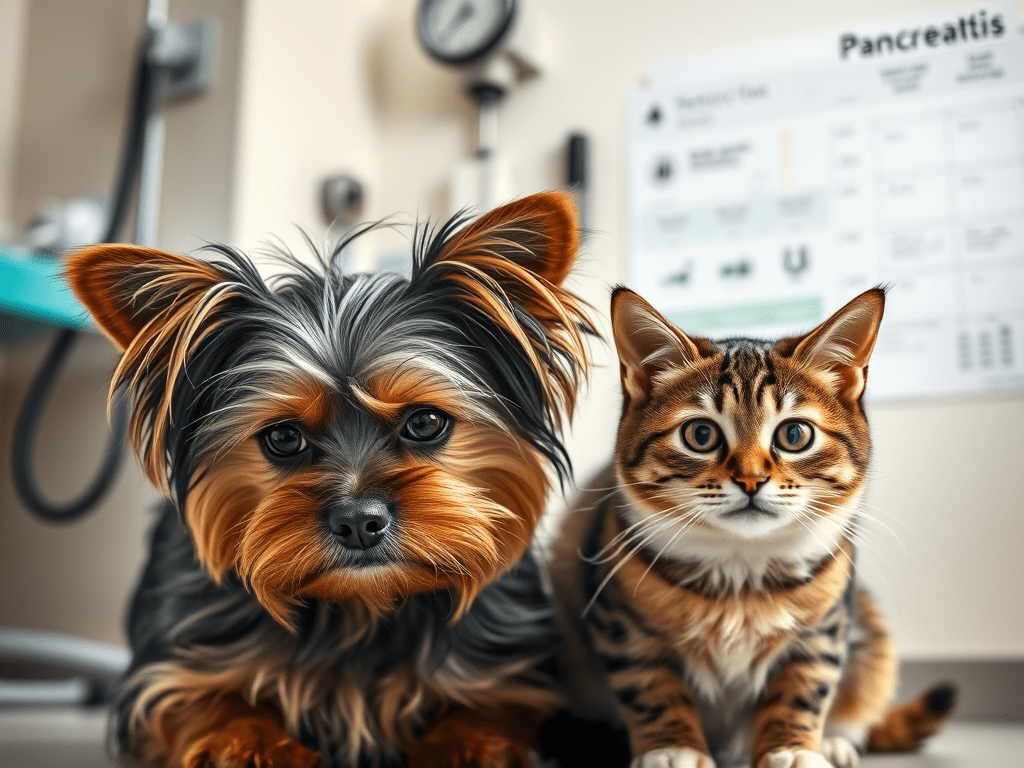
What is Pancreatitis?
Pancreatitis is a serious and painful condition in which the pancreas becomes inflamed. The pancreas plays a crucial role in your pet’s digestive system by producing enzymes to break down food and insulin to regulate blood sugar. When the pancreas becomes inflamed, the digestive enzymes activate prematurely, leading to self-digestion of the pancreas. This can cause severe pain, infections, and in extreme cases, organ failure.
Both dogs and cats can develop pancreatitis, though it’s more commonly seen in dogs. Regardless of the species, pancreatitis is a critical health issue that requires immediate veterinary attention.
Causes of Pancreatitis in Dogs and Cats
Pancreatitis can have a variety of causes, and while the exact reason for inflammation isn’t always clear, there are common risk factors and triggers to be aware of:
- Dietary Indiscretion:
- High-fat foods: Rich or fatty foods, including table scraps, meat scraps, or fried foods, are major triggers for pancreatitis, especially in dogs. Pets who sneak into the trash or are given fatty human foods are at risk.
- Sudden changes in diet: Abruptly changing your pet’s food can also shock the digestive system, triggering inflammation of the pancreas.
- Obesity:
- Overweight pets are at a significantly higher risk for pancreatitis because the excess weight puts additional strain on the pancreas and metabolism.
- Medications:
- Certain drugs, including corticosteroids, some antibiotics, or chemotherapy treatments, can increase the risk of pancreatitis in both dogs and cats.
- Underlying Health Conditions:
- Diabetes: Pets with diabetes are more vulnerable to pancreatitis due to the strain it already places on their pancreas.
- Hypothyroidism: An underactive thyroid can also contribute to an increased risk of pancreatitis.
- Infections or trauma: An infection in the pancreas or trauma from injury can cause or exacerbate inflammation.
- Stress:
- Stress is an often-overlooked trigger for pancreatitis, particularly in dogs. Stress-induced pancreatitis can occur in situations such as changes in environment (like moving to a new home), boarding at a kennel, sudden changes in routine, or even the stress of traveling or visits to the vet.
- Breed Predispositions (in Dogs):
- Certain breeds, such as Miniature Schnauzers, Yorkshire Terriers, and Cocker Spaniels, are more likely to develop pancreatitis.
Symptoms of Pancreatitis
Pancreatitis can present with a variety of symptoms, which may vary in intensity depending on the severity of the condition. If you notice any of the following signs, seek immediate veterinary attention:
- Vomiting and/or diarrhea
- Abdominal pain (your pet may seem more sensitive to touch, adopt a hunched posture, or show signs of pain when the abdomen is touched)
- Loss of appetite
- Lethargy or weakness
- Dehydration (dry gums, sunken eyes, excessive panting)
- Fever
- Behavioral changes, such as restlessness or hiding
How is Pancreatitis Diagnosed?
To confirm pancreatitis, your veterinarian will likely perform the following:
- Blood tests: Elevated levels of pancreatic enzymes (amylase and lipase) can indicate inflammation.
- Ultrasound: An ultrasound can help identify inflammation, abnormal pancreatic size, or other digestive issues.
- X-rays: These are used to rule out other causes of abdominal pain, like obstructions.
- Urinalysis: To check for signs of dehydration or other complications.
Treatment for Pancreatitis
Treatment for pancreatitis varies depending on how severe the condition is but generally includes:
- Hospitalization: Pets with pancreatitis usually need hospitalization for IV fluids to rehydrate them, pain management, and anti-nausea medications to help them recover and prevent further complications.
- Resting the Pancreas: The most effective way to allow the pancreas to heal is to rest it. This often means withholding food and water for 24-48 hours, or longer if necessary, until your pet is stable. In some cases, a feeding tube may be used to provide nutrition if the pet can’t eat on its own.
- Medications: Your vet will prescribe pain relief, antibiotics (if there’s a risk of infection), and anti-inflammatory medications to help reduce the inflammation and manage symptoms.
- Dietary Changes:
- Once your pet is stable and ready to eat, they will likely be placed on a low-fat prescription diet to minimize strain on the pancreas and aid in the healing process. Common prescription diets for pancreatitis include:
- Hill’s Prescription Diet i/d (low-fat and easy to digest)
- Royal Canin Gastrointestinal Low Fat (designed to provide low-fat nutrition while supporting digestive health)
- Purina Pro Plan Veterinary Diets EN Gastroenteric Low Fat (another low-fat option for pets with digestive disorders)
- Gradual introduction of food is key to avoid overwhelming the digestive system.
- Once your pet is stable and ready to eat, they will likely be placed on a low-fat prescription diet to minimize strain on the pancreas and aid in the healing process. Common prescription diets for pancreatitis include:
- Long-Term Management: For pets who suffer from recurrent pancreatitis, your vet may recommend ongoing dietary changes and weight management, as well as regular monitoring to detect flare-ups before they become severe.
Complications of Pancreatitis
If left untreated or mismanaged, pancreatitis can lead to serious complications, including:
- Pancreatic necrosis (the death of pancreatic tissue), leading to infection or organ failure.
- Chronic pancreatitis (long-term inflammation), which can result in diabetes, digestive issues, or permanent pancreas damage.
- Systemic inflammatory response syndrome (SIRS), which can lead to multi-organ failure and be life-threatening.
Preventing Pancreatitis in Dogs and Cats
While not all cases of pancreatitis are preventable, you can reduce your pet’s risk by following these steps:
- Avoid high-fat foods: Keep your pet away from fatty treats, table scraps, and foods meant for humans.
- Maintain a healthy weight: Overweight pets are more likely to develop pancreatitis, so keep your pet fit with regular exercise and portion control.
- Switch food gradually: When changing your pet’s diet, do so slowly to avoid upsetting their digestive system.
- Minimize stress: Reduce stressors like sudden changes in routine or environment, which can trigger pancreatitis, especially in dogs.
- Check medications with your vet: Always talk to your vet about any medications your pet is on and whether they pose a risk for pancreatitis.
Conclusion
Pancreatitis is a severe condition that can cause a lot of pain and discomfort for your pet. Early diagnosis and prompt treatment are key to ensuring a full recovery. By understanding the causes, recognizing the symptoms, and working with your veterinarian on the appropriate treatments, you can manage your pet’s health effectively. If you suspect your pet may be suffering from pancreatitis, don’t hesitate—reach out to your vet for a proper diagnosis and treatment plan. It could make all the difference in your pet’s recovery.
 Meds, Muzzle & Mayhem: A Vet Tech's Life
Leave a comment