
As a vet tech 🐾, I love hitting the road with my fur babies – but summer heat and travel can be dangerous if you’re unprepared. Always have a plan for your dog or cat’s safety on car and plane trips. Follow these tips to keep your pet healthy, hydrated, and happy on the go! 🌴🚗✈️
📝 Preparing for the Trip
- 🩺 Vet check & paperwork: Visit the vet before you go. Confirm all vaccinations (especially rabies) are up to date and ask if a health certificate is needed for flights or certain states.
- 🏷️ Identification: Ensure your pet wears a collar with ID tags (including your cell number) and that any microchip info is current. Pack copies of vaccination records and rabies tag.
- 🚗 Practice drives: Acclimate your pet to travel by taking a few short drives before the big trip. Gradually increase trip length, rewarding calm behavior with treats. This helps prevent car anxiety.
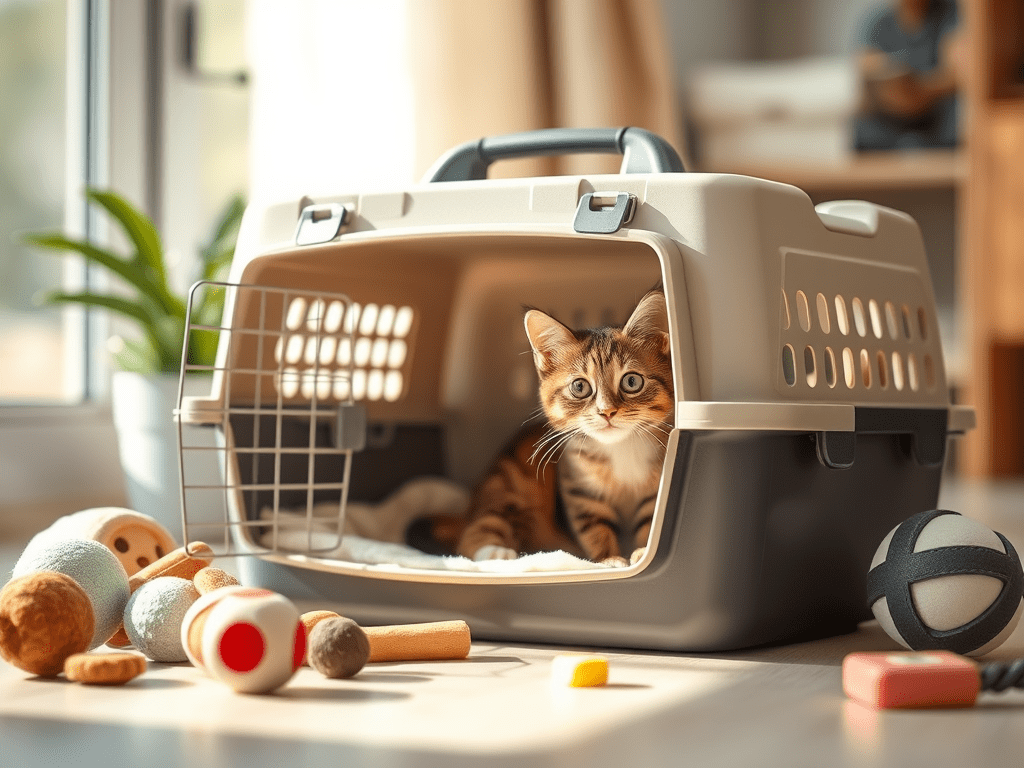
- 📦 Crate training: If your pet will be in a carrier, start crate training weeks ahead. Make the crate a positive space (toys, treats, bedding) so your pet feels safe inside. NEVER use a too-small carrier – your pet must be able to stand, turn around, and lie down comfortably vetandtech.com
🐾 Car Travel Safety
Cars heat up FAST, so always travel smart with pets:
- 🛑 Never leave pets alone: Even “just for a minute” is too long. A parked car can exceed 100°F in under 10 minutes, leading to fatal heatstroke aspca.org. (Did you know 29 children died from hot-car heatstroke in 2023? Pets face the same danger.)
- 🕒 Cool hours only: Plan drives for early morning or evening when temperatures are lower. Midday sun can bake a car’s interior quickly health.wusf.usf.edu.
- 💨 Ventilation: Keep the air conditioning on or crack windows (a fan helps). Cracked windows alone won’t keep your pet safe – dogs can’t sweat, so their body temp soars even if the glass is down a bit health.wusf.usf.edu
- 🔗 Secure restraint: Dogs should be in the back seat in a crash-tested harness or a sturdy, airline-approved crate anchored by a seat belt humaneworld.org. Cats must ride in a carrier (no roaming free) and the carrier should be buckled in to prevent bouncing (Airbags up front can seriously injure pets.)
- 🏖️ Frequent breaks: Stop every couple of hours. Let dogs stretch, sniff, pee and drink water. Cats benefit from being let out of their carrier to use a litter box or exercise. These breaks reduce stress and overheating cdc.gov.
- ☀️ Paw protection: In hot weather, avoid walking pets on hot asphalt (it burns paws). Provide shade and water during breaks aspca.org.
✈️ Air Travel Safety
Flying with pets requires extra planning – here’s what to know:
- 🛩️ Pick pet-friendly airlines: Some carriers are more lenient than others. For example, Alaska Airlines tops the list for pet-friendliness (low fees and even allows rabbits/birds in cabin). Most U.S. airlines allow small cats/dogs under 20 lbs in cabin for a fee (around $125 each way). Others only take pets as cargo or have seasonal bans. Always reserve your pet’s spot early – airlines limit the number of pet carriers per flight vetandtech.com.
- 🎒 Follow carrier rules: Use an airline-approved pet carrier. In-cabin carriers must fit under the seat and be sturdy, leak-proof, and ventilated on at least two sides. For checked/cargo travel, use a USDA/IATA-approved hard kennel big enough to stand, turn and sit cdc.gov. Line it with absorbent bedding and attach a water dish or ice pack. Mark the crate “LIVE ANIMAL” and include your contact info.
- 🌡️ Know temperature restrictions: Most airlines ban cargo pets if ground/air temps are above ~80–85°F or below freezing. (Delta, for example, won’t take checked pets if any point on the route is forecast above 80°F pro.delta.com.) Summer 2024 news reminds us that pets are too often lost waiting on hot tarmacs. If it’s hot, consider a morning/evening flight or ground transport pettravel.com.
- ⏰ Plan and document: Book direct flights when possible (layovers raise stress and exposure risk). Arrive early for check-in – many airlines want pets checked in 2–3 hours before departure. Have all paperwork ready: a vet health certificate dated within 10 days of travel and proof of vaccination (the CDC recommends these for air trips) cdc.gov.
- 💧 In-flight care: Before boarding, let your pet relieve itself and give it a bit of water. For cargo pets, freeze an ice cube or wet towel in the crate’s bowl so water is available but can’t spill. Never sedate your pet (sedatives hinder temperature regulation and breathing). If your pet is in-cabin with you, you can’t put them in overhead bins – they must stay under the seat in their carrier.
💦 Hydration, Comfort & Behavior
- 💧 Hydrate constantly: Carry extra water and a spill-proof bowl. Offer water regularly, especially on long drives or before flightscdc.gov. Dehydration makes heat stress much worse.
- 🍽️ Meal timing: Feed your pet several hours before travel (3–4 hours is a good rule). An empty or half-full tummy helps prevent car-sickness.
- 😌 Calming strategies: Use positive crate training – reward your pet for calm behavior in its carrier vetandtech.com. Place a favorite toy or a piece of your worn clothing in the crate so your pet has a familiar scent. You can also try a snug Thunder-shirt or dog-appeasing pheromone spray for anxious dogs. Play soft music or speak calmly during the trip.
- 🌡️ Watch the cues: Heavy panting, drooling, restlessness or lethargy can signal overheating or stress. If your pet seems distressed, stop immediately, cool them off (wet towels, shade, water) and never hesitate to seek help.
- 💊 Avoid sedatives: It’s tempting to drug a nervous pet, but medications can be dangerous without vet supervision. They can suppress breathing and mask heat stress. Always ask your veterinarian before giving any anti-anxiety or motion-sickness drugs. As one expert warns, “don’t give your dog any sedatives. It makes it difficult to adjust to the cargo hold temperatures and turbulence during the flight”.
⚠️ Common Mistakes to Avoid
- 🚫 Leaving pets in cars: The deadliest mistake. Never assume “my windows are cracked” makes it safe – pets can overheat or suffocate within minutes.
- ❌ Skipping vet prep: Traveling with an unvetted pet is risky. Owners often forget to update rabies shots or documentation, or neglect microchip registration and ID tags.
- 🚗 Unrestrained travel: Letting a dog roam the car or putting a pet in the back of a truck is a recipe for disaster. In a crash, an unbuckled pet can be slammed into seats or ejected. Always buckle them up or use a crash-worthy crate.
- ⏰ Last-minute airline booking: Don’t assume any flight has room for your pet. Airlines limit carriers per flight, especially on popular routes. Failing to reserve early or verify the airline’s pet policy (breed/weight restrictions, fees) can lead to being turned away.
- 😴 Improper sedation: Relying on tranquilizers without vet approval can make things worse. Sedated pets can’t regulate their temperature, which raises the risk of heatstroke.
🐾 I’m passionate about safe pet travel – share any tips or questions in the comments! If you found this helpful, please Share this post to help other pet parents keep their fur-kids safe and cool this summer. ❤️🚗✈️


 Meds, Muzzle & Mayhem: A Vet Tech's Life