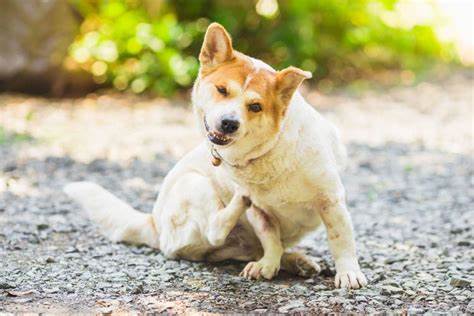
More Than Just Sneezing!
Think your pet’s itchiness is just a seasonal thing? Think again! Environmental allergies (Atopy) can cause year-round misery. While we associate allergies with sneezing, in pets, the signs are often skin-related – leading to itching, licking, and infections.
🦠 What Causes Environmental Allergies?
Environmental allergies are triggered by airborne allergens that pets breathe in or absorb through their skin.
💨 Common Culprits Include:
✔️ Pollen (grass, trees, weeds) – worst in spring/summer
✔️ Mold & mildew – thrives in damp environments
✔️ Dust mites – found in carpets, bedding, and furniture
✔️ Household cleaners, candles, fragrances – artificial scents can irritate pets
✔️ Cigarette smoke & air pollution – airborne particles trigger flare-ups
Some pets only have seasonal allergies, while others suffer year-round depending on their triggers.
🚨 Symptoms of Environmental Allergies (Atopy)
Unlike food allergies, which often cause digestive issues, environmental allergies primarily affect the skin and respiratory system.
🐾 Skin & Paw Symptoms:
✔️ Constant itching, scratching, licking, or chewing
✔️ Red, inflamed skin (especially on belly, armpits, paws, face)
✔️ Hair loss or hot spots from excessive scratching
✔️ Chronic ear infections (shaking head, smelly ears)
✔️ Paw licking and redness (pollen and dust settle on paws!)
👃 Respiratory Symptoms:
✔️ Sneezing, watery eyes, runny nose
✔️ Reverse sneezing or coughing
✔️ Wheezing or difficulty breathing (rare but possible)
🚨 Did you know? Some allergy symptoms mimic flea allergies or skin infections, so a proper vet diagnosis is key!
🛑 Managing Environmental Allergies – What Actually Helps?
Since environmental allergies can’t be cured, managing symptoms is the best approach. Here’s how you can keep your pet comfortable:
🧼 Reducing Exposure to Allergens:
✔️ Wipe paws and fur after walks to remove pollen
✔️ Frequent baths with vet-approved, hypoallergenic shampoos
✔️ Vacuum & wash bedding weekly to remove dust mites
✔️ Use air purifiers for cleaner indoor air
💊 Medications for Relief:
✔️ Cytopoint Injections – Stops itching at the immune level, lasts 4-8 weeks
✔️ Apoquel (oral tablet) – Fast-acting relief for moderate to severe itching
✔️ Antihistamines (Benadryl, Zyrtec, Claritin) – May help mild cases (ask your vet for dosing!)
✔️ Allergy shots (Immunotherapy) – Gradually builds tolerance to allergens over time
🥩 Diet & Supplements:
✔️ Omega-3 fatty acids (fish oil) reduce skin inflammation
✔️ Hypoallergenic diets help support overall skin health
🚨 Common Mistake: Ignoring the paws! Allergens stick to your pet’s paws like velcro. Wiping them after walks can significantly reduce exposure and irritation!
🐾 When to See Your Vet
If your pet’s allergies are causing:
❌ Open sores, hair loss, or infections
❌ Frequent ear infections
❌ Uncontrollable itching despite over-the-counter remedies
…it’s time to see your vet for stronger relief options!
📢 The Bottom Line?
Environmental allergies won’t go away, but they CAN be managed! By minimizing exposure and using the right treatments, your pet can live happier, itch-free days.
 Meds, Muzzle & Mayhem: A Vet Tech's Life