Tag: petcaresafety

  • Summer Pet Travel Safety: Advice from Your Vet Tech

    Summer Pet Travel Safety: Advice from Your Vet Tech

    As a vet tech 🐾, I love hitting the road with my fur babies – but summer heat and travel can be dangerous if you’re unprepared. Always have a plan for your dog or cat’s safety on car and plane trips. Follow these tips to keep your pet healthy, hydrated, and happy on the go! 🌴🚗✈️

    📝 Preparing for the Trip

    • 🩺 Vet check & paperwork: Visit the vet before you go. Confirm all vaccinations (especially rabies) are up to date and ask if a health certificate is needed for flights or certain states.
    • 🏷️ Identification: Ensure your pet wears a collar with ID tags (including your cell number) and that any microchip info is current. Pack copies of vaccination records and rabies tag.
    • 🚗 Practice drives: Acclimate your pet to travel by taking a few short drives before the big trip. Gradually increase trip length, rewarding calm behavior with treats. This helps prevent car anxiety.
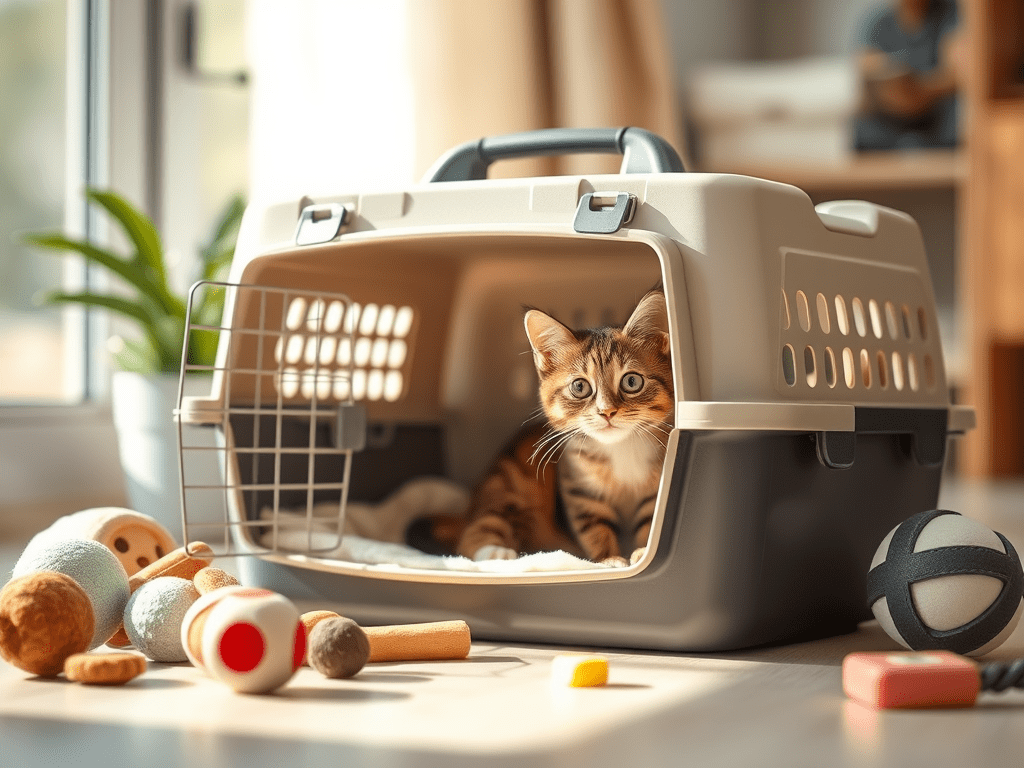
    • 📦 Crate training: If your pet will be in a carrier, start crate training weeks ahead. Make the crate a positive space (toys, treats, bedding) so your pet feels safe inside. NEVER use a too-small carrier – your pet must be able to stand, turn around, and lie down comfortably vetandtech.com

    🐾 Car Travel Safety

    Cars heat up FAST, so always travel smart with pets:

    • 🛑 Never leave pets alone: Even “just for a minute” is too long. A parked car can exceed 100°F in under 10 minutes, leading to fatal heatstroke aspca.org. (Did you know 29 children died from hot-car heatstroke in 2023? Pets face the same danger.)
    • 🕒 Cool hours only: Plan drives for early morning or evening when temperatures are lower. Midday sun can bake a car’s interior quickly health.wusf.usf.edu.
    • 💨 Ventilation: Keep the air conditioning on or crack windows (a fan helps). Cracked windows alone won’t keep your pet safe – dogs can’t sweat, so their body temp soars even if the glass is down a bit health.wusf.usf.edu
    • 🔗 Secure restraint: Dogs should be in the back seat in a crash-tested harness or a sturdy, airline-approved crate anchored by a seat belt humaneworld.org. Cats must ride in a carrier (no roaming free) and the carrier should be buckled in to prevent bouncing (Airbags up front can seriously injure pets.)
    • 🏖️ Frequent breaks: Stop every couple of hours. Let dogs stretch, sniff, pee and drink water. Cats benefit from being let out of their carrier to use a litter box or exercise. These breaks reduce stress and overheating cdc.gov.
    • ☀️ Paw protection: In hot weather, avoid walking pets on hot asphalt (it burns paws). Provide shade and water during breaks aspca.org.

    ✈️ Air Travel Safety

    Flying with pets requires extra planning – here’s what to know:

    • 🛩️ Pick pet-friendly airlines: Some carriers are more lenient than others. For example, Alaska Airlines tops the list for pet-friendliness (low fees and even allows rabbits/birds in cabin). Most U.S. airlines allow small cats/dogs under 20 lbs in cabin for a fee (around $125 each way). Others only take pets as cargo or have seasonal bans. Always reserve your pet’s spot early – airlines limit the number of pet carriers per flight vetandtech.com.
    • 🎒 Follow carrier rules: Use an airline-approved pet carrier. In-cabin carriers must fit under the seat and be sturdy, leak-proof, and ventilated on at least two sides. For checked/cargo travel, use a USDA/IATA-approved hard kennel big enough to stand, turn and sit cdc.gov. Line it with absorbent bedding and attach a water dish or ice pack. Mark the crate “LIVE ANIMAL” and include your contact info.
    • 🌡️ Know temperature restrictions: Most airlines ban cargo pets if ground/air temps are above ~80–85°F or below freezing. (Delta, for example, won’t take checked pets if any point on the route is forecast above 80°F pro.delta.com.) Summer 2024 news reminds us that pets are too often lost waiting on hot tarmacs. If it’s hot, consider a morning/evening flight or ground transport pettravel.com.
    • Plan and document: Book direct flights when possible (layovers raise stress and exposure risk). Arrive early for check-in – many airlines want pets checked in 2–3 hours before departure. Have all paperwork ready: a vet health certificate dated within 10 days of travel and proof of vaccination (the CDC recommends these for air trips) cdc.gov.
    • 💧 In-flight care: Before boarding, let your pet relieve itself and give it a bit of water. For cargo pets, freeze an ice cube or wet towel in the crate’s bowl so water is available but can’t spill. Never sedate your pet (sedatives hinder temperature regulation and breathing). If your pet is in-cabin with you, you can’t put them in overhead bins – they must stay under the seat in their carrier.

    💦 Hydration, Comfort & Behavior

    • 💧 Hydrate constantly: Carry extra water and a spill-proof bowl. Offer water regularly, especially on long drives or before flightscdc.gov. Dehydration makes heat stress much worse.
    • 🍽️ Meal timing: Feed your pet several hours before travel (3–4 hours is a good rule). An empty or half-full tummy helps prevent car-sickness.
    • 😌 Calming strategies: Use positive crate training – reward your pet for calm behavior in its carrier vetandtech.com. Place a favorite toy or a piece of your worn clothing in the crate so your pet has a familiar scent. You can also try a snug Thunder-shirt or dog-appeasing pheromone spray for anxious dogs. Play soft music or speak calmly during the trip.
    • 🌡️ Watch the cues: Heavy panting, drooling, restlessness or lethargy can signal overheating or stress. If your pet seems distressed, stop immediately, cool them off (wet towels, shade, water) and never hesitate to seek help.
    • 💊 Avoid sedatives: It’s tempting to drug a nervous pet, but medications can be dangerous without vet supervision. They can suppress breathing and mask heat stress. Always ask your veterinarian before giving any anti-anxiety or motion-sickness drugs. As one expert warns, “don’t give your dog any sedatives. It makes it difficult to adjust to the cargo hold temperatures and turbulence during the flight”.

    ⚠️ Common Mistakes to Avoid

    • 🚫 Leaving pets in cars: The deadliest mistake. Never assume “my windows are cracked” makes it safe – pets can overheat or suffocate within minutes.
    • Skipping vet prep: Traveling with an unvetted pet is risky. Owners often forget to update rabies shots or documentation, or neglect microchip registration and ID tags.
    • 🚗 Unrestrained travel: Letting a dog roam the car or putting a pet in the back of a truck is a recipe for disaster. In a crash, an unbuckled pet can be slammed into seats or ejected. Always buckle them up or use a crash-worthy crate.
    • Last-minute airline booking: Don’t assume any flight has room for your pet. Airlines limit carriers per flight, especially on popular routes. Failing to reserve early or verify the airline’s pet policy (breed/weight restrictions, fees) can lead to being turned away.
    • 😴 Improper sedation: Relying on tranquilizers without vet approval can make things worse. Sedated pets can’t regulate their temperature, which raises the risk of heatstroke.

    🐾 I’m passionate about safe pet travel – share any tips or questions in the comments! If you found this helpful, please Share this post to help other pet parents keep their fur-kids safe and cool this summer. ❤️🚗✈️

  • Cushing’s Disease in Dogs: What Every Pet Owner Needs to Know

    Cushing’s Disease in Dogs: What Every Pet Owner Needs to Know

    Cushing’s disease, also known as hyperadrenocorticism, is a hormonal disorder that occurs when a dog’s body produces too much cortisol. While cortisol is essential for regulating metabolism, stress response, and immune function, too much of it can cause serious health issues.

    What Causes Cushing’s Disease?

    Cushing’s disease is typically caused by one of three factors:

    1. Pituitary Tumor (Pituitary-Dependent Cushing’s – PDC): This accounts for about 85% of cases. A benign tumor in the pituitary gland overstimulates the adrenal glands, leading to excessive cortisol production.
    2. Adrenal Tumor (Adrenal-Dependent Cushing’s – ADC): A tumor in one of the adrenal glands can cause them to overproduce cortisol. These tumors may be benign or malignant.
    3. Long-Term Steroid Use (Iatrogenic Cushing’s): Chronic use of corticosteroids (like prednisone) for allergies or other conditions can cause Cushing’s disease by mimicking excessive cortisol production.

    Signs & Symptoms of Cushing’s Disease

    Cushing’s develops slowly over time, and symptoms may be mistaken for normal aging. Some common signs include:

    • Excessive thirst & urination (drinking and peeing more than usual)
    • Increased appetite
    • Pot-bellied appearance
    • Hair loss & thinning coat
    • Thin skin & slow wound healing
    • Muscle weakness & lethargy
    • Panting more than normal
    • Recurring skin infections
    • Behavioral changes (restlessness, anxiety, irritability)

    How is Cushing’s Disease Diagnosed?

    Because symptoms overlap with other conditions (like diabetes or kidney disease), diagnosis requires multiple tests, including: ✔️ Bloodwork (CBC & Chemistry Panel) – Checks for abnormalities like elevated liver enzymes. ✔️ Urine Tests – A Urine Cortisol:Creatinine Ratio (UCCR) can help determine if further testing is needed. ✔️ ACTH Stimulation Test – Evaluates how the adrenal glands respond to hormone stimulation. ✔️ Low-Dose Dexamethasone Suppression Test (LDDST) – The gold standard test to confirm Cushing’s. ✔️ Ultrasound or MRI – Helps determine if an adrenal tumor is present.

    Treatment Options

    Treatment depends on the cause of Cushing’s disease: 🔹 Pituitary Tumor (PDC): Medications like Trilostane (Vetoryl) or Mitotane (Lysodren) help control cortisol production. Surgery is not an option in most cases. 🔹 Adrenal Tumor (ADC): If the tumor is benign, surgical removal of the affected adrenal gland can be curative. If malignant, treatment is more complex and depends on tumor spread. 🔹 Iatrogenic Cushing’s: If caused by steroid use, the vet will gradually reduce the medication under supervision.

    Prognosis & Quality of Life

    With proper management, many dogs with Cushing’s disease can live for years with a good quality of life. However, untreated Cushing’s can lead to severe complications, including high blood pressure, diabetes, infections, and increased risk of blood clots. Regular vet visits, bloodwork monitoring, and medication adjustments are key to keeping your pet comfortable and healthy.

    Final Thoughts

    Cushing’s disease is a lifelong condition, but with early diagnosis, proper treatment, and supportive care, dogs can continue to live happy lives. If you notice any of the symptoms mentioned above, consult your veterinarian as soon as possible. The sooner Cushing’s is diagnosed, the better the chances of managing it effectively!

  • 🚨 The Truth About Grain-Free Diets: What Every Pet Owner Needs to Know!

    🚨 The Truth About Grain-Free Diets: What Every Pet Owner Needs to Know!

    Grain-free pet food has exploded in popularity, but what if we told you it’s not the healthier choice it claims to be? As veterinary professionals, we’re here to bust the myths and explain why grain-free diets can do more harm than good.

    📢 The FDA’s Investigation: Grain-Free & Heart Disease
    In 2018, the FDA launched an investigation into grain-free diets after a rise in dilated cardiomyopathy (DCM)—a serious and sometimes fatal heart condition in dogs. Many of these dogs had no genetic predisposition to heart disease, but they were eating grain-free diets high in lentils, peas, chickpeas, and potatoes.

    🔬 What the Research Says:
    ✔️ DCM cases spiked in dogs eating grain-free diets
    ✔️ Some dogs developed nutritional deficiencies, including low taurine, a vital amino acid for heart health
    ✔️ Even dogs with normal taurine levels developed DCM, meaning something in grain-free diets was interfering with heart function

    The FDA is still investigating, but one thing is clear: Grain-free isn’t necessarily healthier—it could be putting your pet’s heart at risk.

    🔗 Read more from the AKC & FDA here: AKC Grain-Free Diet Alert


    🐾 Dogs Are NOT Wolves – They Need Grains!

    One of the most common marketing gimmicks for grain-free food is that dogs should eat like their wolf ancestors. But here’s the truth:

    🐺 Dogs aren’t wolves! They’ve evolved over thousands of years to digest grains.
    🧬 Genetic studies show that dogs have extra amylase genes, meaning their bodies are built to process carbohydrates.
    🥩 Meat is crucial, but whole grains provide fiber, vitamins, and nutrients that support digestion and energy.

    Even wolves in the wild eat berries, grasses, and plant material—so why are we treating grains like the enemy?


    🚫 The Myth of Grain Allergies

    Another reason many owners switch to grain-free food is the belief that their dog has grain allergies. But here’s the reality:

    🐕 True grain allergies are extremely rare—less than 1% of dogs are actually allergic to grains.
    🐾 Most food allergies come from proteins like chicken, beef, dairy, or egg—not grains!
    🐶 If your dog has itchy skin, ear infections, or digestive issues, it’s likely due to a protein allergy, not grains.

    ⚠️ Switching to grain-free won’t help if the real problem is the protein source!


    🌾 Why Grains Are GOOD for Dogs

    Grains aren’t just fillers—they provide essential nutrients for a balanced diet.

    Whole Grains Provide:
    ✔️ Fiber – Supports digestion & gut health
    ✔️ B Vitamins – Crucial for metabolism & energy production
    ✔️ Iron & Magnesium – Essential for muscle & nerve function

    Many grain-free diets replace grains with peas, potatoes, and lentils, which:
    Lack fiber, leading to digestive issues
    Are higher in sugar, increasing the risk of weight gain & diabetes
    May interfere with taurine absorption, which is critical for heart health


    🚨 So, What Should You Feed Instead?

    If grain-free diets aren’t the answer, what should pet owners look for?

    ✔️ AAFCO-Approved Diets – Always feed a diet that meets AAFCO standards for complete and balanced nutrition.
    ✔️ Trusted Veterinary-Recommended Brands – Purina, Hill’s, Royal Canin, and Iams have years of research and feeding trials behind them.
    ✔️ Grain-Inclusive FormulasWhole grains like rice, barley, and oats provide energy, fiber, and heart health benefits.

    🐾 If your pet has allergies, talk to your vet! They can recommend a diet tailored to your pet’s specific needs.


    🐶 The Bottom Line: Don’t Fall for the Hype

    Grain-free diets aren’t superior—in fact, they may be dangerous.
    Dogs need grains for energy, digestion, and heart health.
    The FDA is actively investigating the link between grain-free diets and heart disease (DCM).

    💬 What do YOU feed your pets? Have you tried a grain-inclusive diet? Drop your thoughts below! 👇🐕🐾

    📢 If you found this post helpful, SHARE it to spread awareness! 💙

  • 🌿 Environmental Allergies in Pets

    🌿 Environmental Allergies in Pets

    More Than Just Sneezing!

    Think your pet’s itchiness is just a seasonal thing? Think again! Environmental allergies (Atopy) can cause year-round misery. While we associate allergies with sneezing, in pets, the signs are often skin-related – leading to itching, licking, and infections.


    🦠 What Causes Environmental Allergies?

    Environmental allergies are triggered by airborne allergens that pets breathe in or absorb through their skin.

    💨 Common Culprits Include:
    ✔️ Pollen (grass, trees, weeds) – worst in spring/summer
    ✔️ Mold & mildew – thrives in damp environments
    ✔️ Dust mites – found in carpets, bedding, and furniture
    ✔️ Household cleaners, candles, fragrances – artificial scents can irritate pets
    ✔️ Cigarette smoke & air pollution – airborne particles trigger flare-ups

    Some pets only have seasonal allergies, while others suffer year-round depending on their triggers.


    🚨 Symptoms of Environmental Allergies (Atopy)

    Unlike food allergies, which often cause digestive issues, environmental allergies primarily affect the skin and respiratory system.

    🐾 Skin & Paw Symptoms:
    ✔️ Constant itching, scratching, licking, or chewing
    ✔️ Red, inflamed skin (especially on belly, armpits, paws, face)
    ✔️ Hair loss or hot spots from excessive scratching
    ✔️ Chronic ear infections (shaking head, smelly ears)
    ✔️ Paw licking and redness (pollen and dust settle on paws!)

    👃 Respiratory Symptoms:
    ✔️ Sneezing, watery eyes, runny nose
    ✔️ Reverse sneezing or coughing
    ✔️ Wheezing or difficulty breathing (rare but possible)

    🚨 Did you know? Some allergy symptoms mimic flea allergies or skin infections, so a proper vet diagnosis is key!


    🛑 Managing Environmental Allergies – What Actually Helps?

    Since environmental allergies can’t be cured, managing symptoms is the best approach. Here’s how you can keep your pet comfortable:

    🧼 Reducing Exposure to Allergens:
    ✔️ Wipe paws and fur after walks to remove pollen
    ✔️ Frequent baths with vet-approved, hypoallergenic shampoos
    ✔️ Vacuum & wash bedding weekly to remove dust mites
    ✔️ Use air purifiers for cleaner indoor air

    💊 Medications for Relief:
    ✔️ Cytopoint Injections – Stops itching at the immune level, lasts 4-8 weeks
    ✔️ Apoquel (oral tablet) – Fast-acting relief for moderate to severe itching
    ✔️ Antihistamines (Benadryl, Zyrtec, Claritin) – May help mild cases (ask your vet for dosing!)
    ✔️ Allergy shots (Immunotherapy) – Gradually builds tolerance to allergens over time

    🥩 Diet & Supplements:
    ✔️ Omega-3 fatty acids (fish oil) reduce skin inflammation
    ✔️ Hypoallergenic diets help support overall skin health

    🚨 Common Mistake: Ignoring the paws! Allergens stick to your pet’s paws like velcro. Wiping them after walks can significantly reduce exposure and irritation!


    🐾 When to See Your Vet

    If your pet’s allergies are causing:
    Open sores, hair loss, or infections
    Frequent ear infections
    Uncontrollable itching despite over-the-counter remedies

    …it’s time to see your vet for stronger relief options!


    📢 The Bottom Line?

    Environmental allergies won’t go away, but they CAN be managed! By minimizing exposure and using the right treatments, your pet can live happier, itch-free days.

  • The Great Cat Carrier Debate: Why Your Cat (and Your Vet Tech) Will Thank You

    The Great Cat Carrier Debate: Why Your Cat (and Your Vet Tech) Will Thank You

    Every veterinary technician has seen it—an owner walking into the clinic, cat clutched tightly in their arms, convinced that their furry companion will stay calm for just a few minutes. But here’s the reality: even the most chill cat can turn into a flight-risk in seconds, and the consequences can be devastating.

    The Dangers of Carrying a Cat Without a Carrier

    A quiet waiting room can change in an instant. A barking dog, a loud noise, or even a gust of wind can send a cat into full panic mode. We’ve seen it happen—claws dig in, the cat scrambles, and suddenly, they’re gone. One of the most heartbreaking moments I’ve witnessed was an owner who brought in their 17-year-old cat without a carrier. Just as they reached the clinic door, a passing car startled the cat, and she bolted. Despite hours of searching, they never found her. It’s a risk not worth taking.

    Why Cats React Unpredictably

    Cats aren’t small dogs. They’re wired differently, and their fight-or-flight instinct is incredibly strong. Even a cat that seems comfortable at home can become a completely different animal in unfamiliar territory. Stress causes an increase in adrenaline, making them hyper-alert and more prone to sudden reactions. A tight grip isn’t enough—when fear kicks in, they’ll do anything to escape.

    Common Excuses for Avoiding a Carrier (and Why They Don’t Hold Up)

    • “My cat hates the carrier.” Yep, most do—because they only see it when they’re headed to the vet. But with a little training, it doesn’t have to be that way.
    • “It’s just a short trip.” Accidents and unexpected situations can happen anywhere, even in the parking lot.
    • “I’ll just hold onto them tightly.” Even the best grip can’t compete with a panicked, squirming cat equipped with sharp claws.

    How to Make the Carrier a Safe Space

    Instead of stuffing your cat in the carrier five minutes before a vet visit, try these tips:

    • Leave the carrier out all the time – If the only time your cat sees it is before a stressful event, of course, they’ll hate it. Keep it in a common area with a cozy blanket inside.
    • Make it inviting – Toss in treats, toys, or a piece of your clothing with your scent. Let them explore it on their own terms.
    • Practice short trips – Take them for a drive around the block, then come home and give them a treat. This helps them associate the carrier with more than just vet visits.

    Choosing the Right Carrier

    Not all carriers are created equal. Hard-shell carriers with top and front openings tend to be best, as they provide stability and multiple access points. Soft-sided carriers are okay for short trips but can collapse under pressure. Avoid cardboard carriers unless it’s a one-time emergency use—they aren’t durable and can break if a cat panics.

    Final Thoughts

    Your cat’s safety is worth the small effort it takes to use a carrier. Not only does it prevent heartbreaking accidents, but it also makes vet visits easier for everyone involved. Trust me—your vet tech will thank you, your cat will be safer, and your arms will remain scratch-free. Win-win!

  • Buckle Up, Buddy! Why Car Safety for Pets Is a Non-Negotiable

    Buckle Up, Buddy! Why Car Safety for Pets Is a Non-Negotiable

    Buckle Up, Buddy! Why Car Safety for Pets Is a Non-Negotiable

    We see it all the time—dogs with their heads hanging out of car windows, tongues flapping in the breeze, or even worse, a loose pet bouncing around the car like it’s a jungle gym. While it might look cute, the reality is this is incredibly dangerous for both the pet and the driver. Let’s talk about why pet car safety isn’t just a suggestion—it’s a necessity.

    The Hard-Hitting Stats

    • According to the American Automobile Association (AAA), an unrestrained 10-pound dog in a crash at 50 mph can exert 500 pounds of force, while an 80-pound dog can create 2,400 pounds of force. That’s like getting hit by a refrigerator.
    • The Center for Pet Safety found that only a handful of pet car safety products actually pass crash tests—meaning those cheap, flimsy harnesses might not be helping much.
    • A study by Volvo revealed that unsafe pet travel leads to increased driver distraction, which is responsible for thousands of accidents every year.

    Pet Insurance Might Not Cover Negligence

    Here’s something many pet owners don’t realize: if your pet is injured in a car accident and wasn’t properly restrained, your pet insurance may not cover the costs. Some policies specifically exclude injuries sustained due to owner negligence, and unfortunately, letting your pet roam free in the car can fall into that category. Imagine dealing with a massive vet bill on top of car repairs—all because of an avoidable mistake.

    Best Safety Products for Car Travel

    Not all pet safety products are created equal. Here’s what actually works:

    • Crash-Tested Harnesses – Brands like Sleepypod and Ruffwear offer harnesses that have been tested in simulated car crashes.
    • Pet Carriers with Seatbelt Straps – A properly secured, crash-tested carrier is the safest way for small pets to travel.
    • Backseat Barriers – These help prevent pets from launching forward in the event of a sudden stop.
    • Pet Seat Belts – Not all are effective, but those tested and approved by the Center for Pet Safety can provide an extra layer of security.

    What to Do if You’re in an Accident with Your Pet

    Even with the best precautions, accidents can happen. Here’s what to do:

    1. Secure Yourself First – Ensure you’re safe before attending to your pet.
    2. Check Your Pet for Injuries – Even if they seem fine, shock can mask pain. Always get them checked by a vet.
    3. Do Not Let Them Loose – Scared pets often bolt from accident scenes. Keep them restrained until help arrives.
    4. Contact Emergency Services – If your pet needs medical attention, call your vet or an emergency clinic immediately.
    5. Inform Your Insurance Company – If your pet insurance covers accidents, get the claim process started as soon as possible.

    Final Thoughts

    We buckle up for our own safety, so why wouldn’t we do the same for our pets? A little precaution goes a long way in ensuring that your four-legged friend stays safe on the road. Secure your pet—because their life depends on it.